
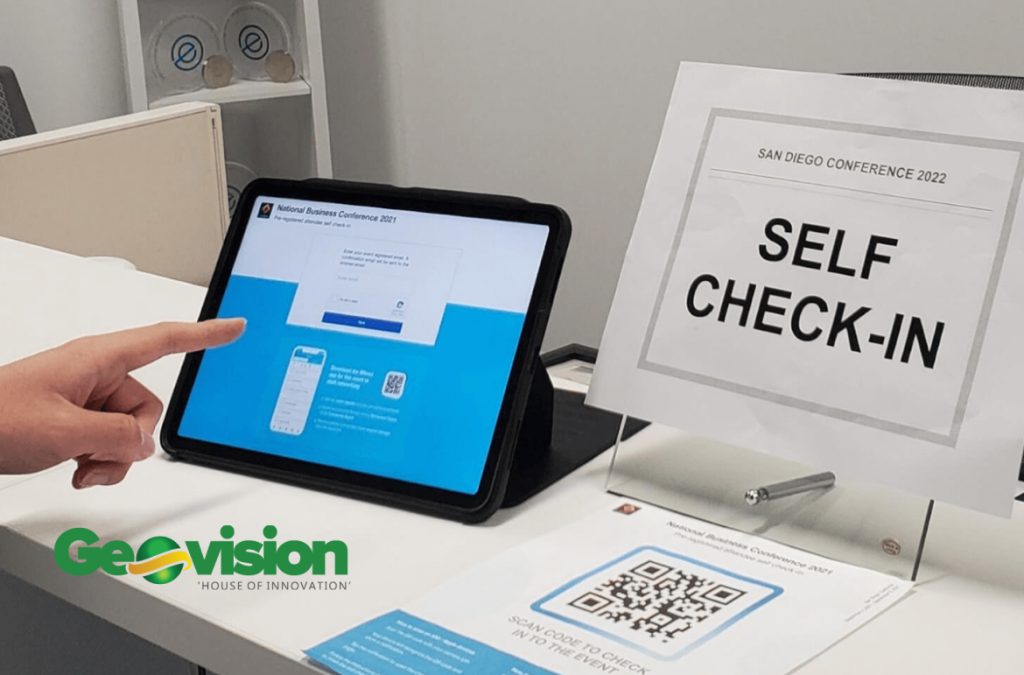
The Easy Guide to a Smooth Event Check-In Process
You can spend months planning an event, but the first real experience attendees have is the check-in desk. If check-in feels slow, disorganised, or confusing, it affects how guests feel about the event before the programme even begins. When the process runs smoothly, people settle in faster, the atmosphere feels more professional, and the rest of the event flows better.
A strong event check-in process helps improve attendee satisfaction, reduces delays, and creates a better first impression. This guide explains what event check-in management is, how attendance is tracked, and how to build a reliable check-in system for small, medium, and large events in Ghana.
What Is Event Check-In Management?
Event check-in management is the process of registering attendees as they arrive and confirming their participation. It includes verifying names, issuing badges or event materials, directing guests, and managing different attendee categories such as speakers, exhibitors, media, VIPs, and general guests.
At Geovision-managed events, this process often combines digital tools with manual backup systems, including WOW log books, to maintain accuracy and continuity even when there are technical issues or limited connectivity.

A well-planned check-in system should focus on three things:
- Speed
- Order
- Clear communication
When these three elements are in place, crowd control becomes easier and the event starts more smoothly.
How Attendees Are Tracked at Events
Attendee tracking usually happens in two stages: arrival check-in and session tracking.
1. Arrival Check-In
This stage confirms that a guest has arrived at the event. Depending on the event size and setup, arrival check-in can be managed using:

- QR code scanning
- Check-in apps
- Tablets or laptops
- Printed registration lists
- WOW log books for manual verification and backup records
Manual log books are still very useful in Ghana, especially for:
- Backup documentation
- Power or internet interruptions
- VIP confirmation
- Compliance and reporting
2. Session Tracking
Session tracking records which sessions attendees participate in after the main check-in process. This is particularly useful for:
- Conferences with multiple breakout rooms
- Training programmes
- Certification or CPD events
Session-level data helps organisers understand attendance flow, measure session popularity, and report accurately to sponsors or certification partners.
How to Prevent Check-In Delays
Most check-in delays happen because of poor preparation. A few simple systems can make the arrival experience much faster and more organised.
Use Self-Check-In Where Possible

Self-check-in desks or QR scanning stations can reduce queues significantly. Attendees handle the first step themselves, while staff step in only when help is needed.
Prepare Manual Backups
Even when a digital check-in system is in place, WOW log books should always be available. They help ensure:
- No attendee is turned away because of a technical problem
- Manual records remain available when needed
- Operations can continue during internet or power interruptions
Separate Guest Categories
Create separate desks or clearly marked lines for different guest groups. For example:
- VIPs
- Speakers
- Media
- General attendees
This improves flow, reduces congestion, and helps guests move to the right place faster.
Planning the Event Check-In Process
Before event day, define clearly how check-in will work. A simple plan shared with the registration team helps prevent confusion and last-minute decisions.
Key questions to answer early include:
- Will registration be digital, manual, or hybrid?
- How many desks are required?
- How many staff or volunteers are needed?
- Will badges be pre-printed or printed onsite?
- How will late registrations be handled?
A simple flowchart or desk assignment plan shared with the check-in team can make a big difference on the day.
Training the Check-In Team
Check-in staff are the first point of contact for attendees, so they need to be confident, informed, and ready to solve small issues quickly.

They should:
- Understand the registration list and guest categories
- Know how to use the check-in tools and devices
- Be familiar with the event layout
- Know where to direct guests for seating, sessions, or support
A short briefing before doors open can improve confidence and reduce mistakes.
Create a Front Desk FAQ
Certain questions come up at almost every event. Preparing answers in advance helps staff respond faster and keeps the line moving.

Prepare clear answers for common issues such as:
- Registration problems
- Seating directions
- Programme timing
- Speaker locations
- Lost badges
- Wi-Fi access
This reduces pressure on staff and improves the guest experience.
Choosing the Right Check-In Tools
There is no single best check-in system for every event. The right setup depends on the event size, available budget, venue infrastructure, and how reliable the internet connection will be.
- Event size
- Budget
- Venue infrastructure
- Internet reliability
For large conferences, digital check-in systems with QR scanning usually work well. For medium and smaller events, a hybrid setup using tablets and WOW log books is often more practical and dependable.
Onsite Payments and Late Registration
Some attendees will always register onsite, even when pre-registration is available. It is important to prepare a separate process for these guests so they do not slow down the main check-in line.
Prepare payment options in advance, such as:
- Mobile money
- Card payments
- Manual receipt recording
A separate late registration desk is often the best solution.
Badge Printing and Identification

Badges support identification, access control, and networking. They should:
- Be readable from a distance
- Include the attendee’s name and organisation
- Match the event branding
Depending on the event type, badges can be pre-printed before the event or printed onsite during registration.
Clear Signage Matters
Directional signage is one of the easiest ways to reduce confusion and speed up guest movement. Important areas should be clearly labelled and visible from the entrance.
- Check-in area
- VIP desk
- Help desk
- Session rooms
When signage is clear, staff spend less time repeating directions and guests feel more confident moving around the venue.
Help Desk Setup
Even with strong planning, small issues will still come up. A dedicated help desk allows the main check-in area to keep moving while more specific problems are handled separately.
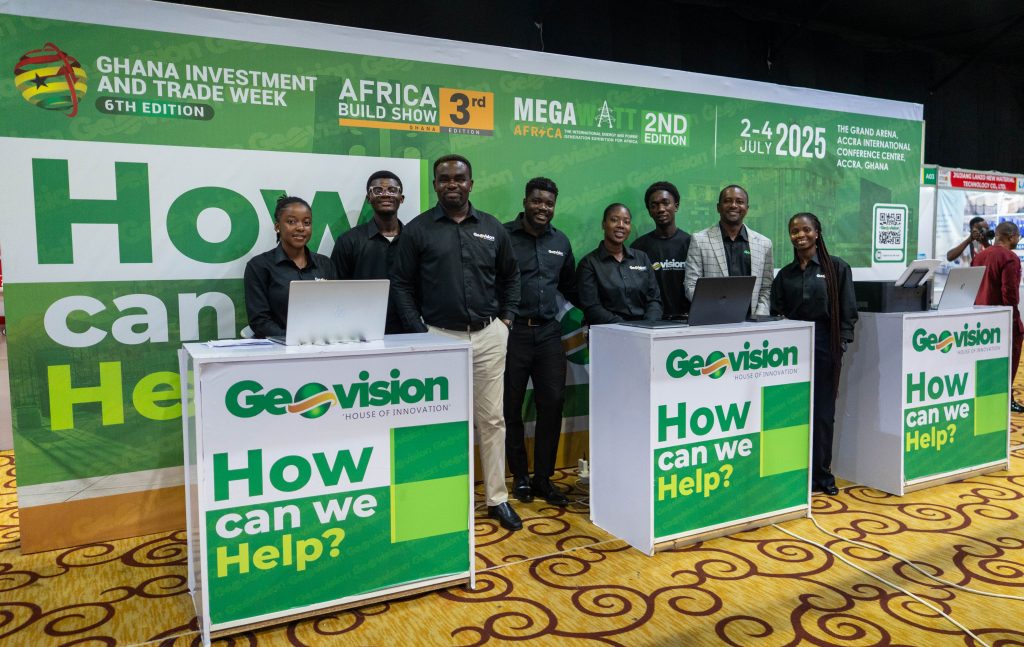
A help desk is useful for:
- Registration corrections
- Lost badge replacement
- Guest assistance and general support
This keeps the primary check-in desks focused and efficient.
Test Everything Before the Event
All devices, scanners, printers, and internet connections should be tested before the doors open. This includes checking:
- Power supply
- Backup power
- Network strength
Testing early helps prevent avoidable disruptions during guest arrival.
Tracking Attendance Beyond Check-In
For some events, attendance tracking continues after the main arrival process. Session check-in can help organisers:
- Measure engagement levels
- Report attendance to sponsors
- Validate certifications or CPD participation
This can be handled digitally or manually using session attendance sheets or log books, depending on the setup.
Rethinking Event Check-In
Event check-in is not just an administrative step. It shapes how attendees experience your event from the moment they arrive. A well-planned system combines:
- Clear structure
- Trained staff
- Reliable tools
- Manual backups like WOW log books

When check-in works properly, the rest of the event becomes much easier to manage.
Frequently Asked Questions
What is event check-in?
Event check-in is the process of confirming attendees when they arrive at an event. It includes verifying registrations, recording attendance, issuing badges or materials, and directing guests to the correct areas of the venue.
Why is event check-in important?
Check-in sets the tone for the entire event. A slow or disorganised process causes delays, congestion, and frustration. A smooth check-in process helps events start on time and improves the attendee experience.
What tools are used for event check-in?
Event check-in can be managed using digital tools such as QR code scanners, tablets, or check-in apps. Manual tools like printed lists and WOW log books are also used as backups and for record keeping.
Can event check-in work without internet?
Yes. Manual systems such as registration lists and WOW log books allow events to continue even if internet access is unavailable. Hybrid systems that combine digital and manual methods are commonly used in Ghana.
How do you manage large crowds during check-in?
Large events usually use multiple check-in desks, separate queues for different guest categories, clear signage, and trained staff. Self-check-in options and pre-printed badges can also reduce waiting time.
What happens if an attendee is not on the registration list?
Unlisted attendees are usually handled at a help desk or late registration desk. Their details can be recorded manually or digitally, and payment is processed if required.
Is onsite registration allowed at events?
Yes. Many events allow onsite registration, but it should follow a separate process so pre-registered attendees are not delayed. Payment options and receipt tracking should be ready in advance.
How is attendance tracked after check-in?
Attendance can be tracked at session level using digital scanners or manual attendance sheets. This is useful for reporting, certifications, and sponsor engagement analysis.
What is the role of check-in staff?
Check-in staff verify registrations, assist attendees, issue badges, answer basic questions, and direct guests. They are the first point of contact and should be properly briefed before the event starts.
Do small events need a check-in system?
Yes. Even small events benefit from a simple check-in process. It helps track attendance, maintain order, and creates a more professional first impression.